Оригінальна назва
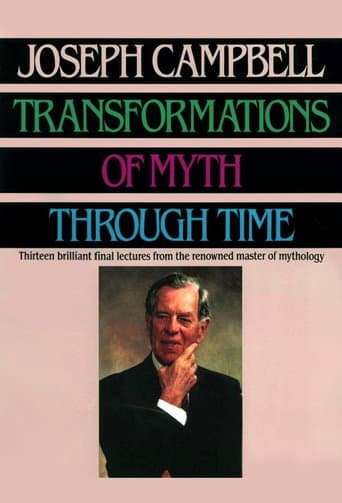
Transformations of Myth Through Time
Випущено
01.01.1989
Країна
US
Жанр
Документальний
Виробничі компанії
Mythology Ltd.
Статус
Завершено
Кількість сезонів
1
Кількість епізодів
13
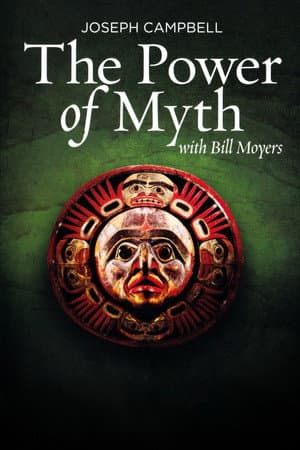
Legendary raconteur Joseph Campbell explores the myth and symbols that have shaped our world and given us what he has called "the experience of being alive."

One of the greatest storytellers of our time, and arguably the greatest mythologist, Joseph Campbell spent most of his long, rich career explaining how ancient myths like the Hero’s Journey are relevant to modern life. This biographical portrait, filmed shortly before his death in 1987, follows Campbell’s personal quest—a pathless journey of questioning, discovery, and ultimately of delight and joy in a life to which he said, "Yes."
Campbell explores the dawn of mankind's mythic consciousness with a study of temple caves from the Paleolithic period. Campbell also introduces the basic concepts in the study of mythology: the role of the shaman, the stages of initiation, and the significance of lunar and solar symbolism.
Campbell's telling of the Navaho legend of "Where the Two Came to Their Father" illustrates an American Indian version of the hero's journey and illustrates the relationship of man and nature, a constant theme through time in American Indian cultures.
This title phrase signaled the beginning of the conquests and invasions of the warrior cultures. Through the artifacts from the Neolithic Period, Campbell traces the ascendance of the warrior cultures of the Gods over the agricultural based Goddesses societies.
Campbell's discussion of the burial rituals and Egyptian art of the Upper and Lower Kingdoms reveals the emerging mythological themes of the Near East.
In this lecture, Campbell introduces the Perennial Philosophy of the East and focuses on the Indian tradition from its origins to the end of the Vedic period.
Campbell introduces stories of Buddha's life and enlightenment to reflect the essence of the Buddhist religion. The different sects of Buddhism are contrasted in their conception of transcendence. Campbell compares Buddhism with Taoism and Confucius and also discusses Buddhism's impact on the ancient West.
Campbell discusses the purpose and extent of the Tantra system against the background of the Raja theory of Pantanjali. He also presents other types of Yoga.
Through the study of elaborate artwork, Campbell portrays the full Chakra system of Kundalini Yoga and compares it with modem Western psychology and Christian concepts.
In this program, Campbell reveals how the art, philosophy and mysticism of the Eastern Way reach a noble expression in the Buddhism of Tibet.
Through a presentation of beautiful and compelling works of art, Campbell illustrates the myths of ancient Greece. In particular, he tells the story of Persephone and Demeter as the basis for the mystery religions.
Campbell traces the wide ranging influence of the Arthurian legends and ties them to the emergence of the warrior-based society. He also illustrates the break with tradition in the tension between honor and love in these legends.
Campbell tells many tales of the troubadours and courtly love. In his presentation of these tales, he explores the meaning and symbology of the many tests and trials of courtly love.
Campbell reveals the changing orientation of Western culture in his discussion of The Grail. In particular, Campbell contrasts the symbology of The Grail as an individual quest versus a holy quest.
Цей веб-сайт використовує TMDB та API TMDB, але не схвалений, не сертифікований чи іншим чином затверджений TMDB.