Оригінальна назва
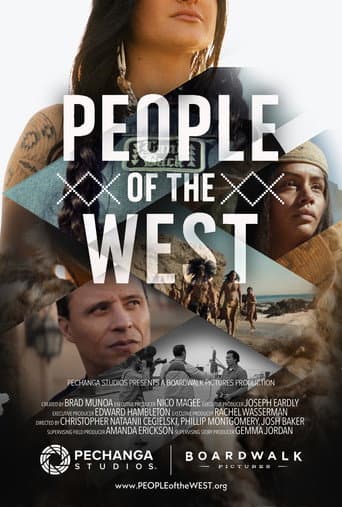
People of the West
Випущено
-
Країна
US
Статус
Поновлено
Кількість сезонів
1
Кількість епізодів
10
People of the West is a ten-part premium documentary series that reclaims the history of California through Indigenous perspectives. Blending oral histories, tribal archives, expert insight, and cinematic recreations, the series spans from creation stories and pre-contact life through colonization, state-sponsored violence, resistance, and cultural survival. Each episode centers Native voices and lived experience, reframing well-known events—from the mission system and Gold Rush to Alcatraz and modern sovereignty movements—through those who endured them. Visually ambitious and emotionally grounded, the series pairs sweeping landscapes with intimate storytelling to reveal California as it has always been: Native land. Designed to live both on screen and in classrooms, People of the West offers a corrective to dominant narratives while highlighting the resilience, continuity, and contemporary presence of Native nations shaping the state today.
People of the West is a ten-part premium docu-drama that tells the history of California through Native voices, from pre-contact life to the present day. The series combines cinematic reenactments, expert interviews, archival materials, and modern visual storytelling to present a continuous, statewide narrative rarely seen on television. Rather than focusing on a single tribe or isolated moment, the series is designed as a comprehensive historical arc—covering creation stories, colonization, genocide, resistance, assimilation, activism, sovereignty, and restoration. Each episode stands alone, while together they form a cohesive long-form series suitable for broadcast, streaming, and educational distribution

On Kumeyaay/Ipai land in 1542, a teenager’s coming-of-age ceremony collides with the arrival of Juan Rodríguez Cabrillo. Guided by elders, the village meets the strangers in cautious diplomacy—until Spain’s Requerimiento reveals conquest masked as faith. A dispute over fishing rights ignites tension, and the encounter takes a turn that will echo for generations. Framed by a present-day classroom challenge, the pilot blends oral histories, expert insight, and cinematic dramatization to reclaim first contact from an Indigenous perspective.
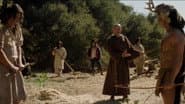
The brutal reality of California’s mission system unfolds through the story of Aha’ya and Atsia of the Ohlone. Families are torn apart as forced baptisms, disease, starvation, and systemic abuse define life under Junípero Serra and the soldiers. Expert voices reveal how the missions operated as engines of colonization, using whippings, sexual violence, and forced labor to control Native people. Yet amid devastation, acts of resistance and survival endure, culminating in uprisings that challenged Spanish domination.
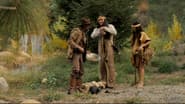
California’s mid-1800s transformation is marked by conquest, massacres, and betrayal. Fremont slaughters the Wintu as Su-su-met and Wa’da’s tender love story is suddenly torn apart. The Temecula Massacre unfolds, pitting Native nations against each other under the shadow of the Mexican-American War. In the Sierra foothills, Miwok and Nisenan families are devastated by the Gold Rush through enslavement, famine, and dispossession. While myths later celebrate opportunity and cowboy codes, the reality is genocide and exclusion. Yet Native voices endure, affirming survival, memory, and responsibility to the Earth.
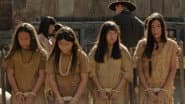
California’s statehood unleashes a campaign of genocide and slavery against Native peoples. Militias carry out massacres with government funding, while laws legalize the buying and selling of Native children. When Native families defend their homes, the violence is overwhelming and merciless. Through the story of T’tc~tsa, a Wailaki girl sold into sexual bondage, the human cost of conquest is laid bare. Yet survival itself becomes resistance, as Native voices endure beyond frontier myths to expose America’s true foundation.

Chief Tenaya leads the Ahwahneechee in a desperate stand to defend Yosemite from James Savage and the Mariposa Battalion. Raids on trading posts spark all-out war, and federal treaty commissioners move to strip Native nations of their homelands, forcing them onto barren reservations. In the struggle between survival and surrender, Tenaya resists through strategy and defiance. Rather than a story of pioneers taming wilderness, this chapter reveals Native determination to protect home and homeland against relentless conquest.

When a young Paiute boy cuts his hair in anger, his grandmother relives her own trauma as a survivor of the Sherman Indian Boarding School. In flashback, teenage Kaiba and her cousin Wahiti are torn from their families and forced into a system built to erase their culture. Hair is shorn, names are changed, and language forbidden as Richard Pratt’s doctrine—“Kill the Indian, save the man”—takes hold across California. Through Kaiba’s defiance and remembrance, a legacy of survival endures, revealing how assimilation tried—and failed—to silence Native identity.
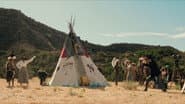
A Chumash family uprooted by federal Termination policy moves from reservation life to 1950s Los Angeles, chasing the promise of the “American Dream.” War veteran Robert struggles to reconcile pride in his service with the shame instilled by assimilation, while his wife Deb clings to culture through language and ceremony. Their son Teddy becomes caught between worlds as Hollywood stereotypes and government programs work to erase Native identity. Through loss and defiance, the family wrestles with what it means to belong in a country still trying to erase them.

In the ashes of San Francisco’s American Indian Center, a new generation rises. Mohawk activist Richard Oakes and student leader LaNada Means rally Native voices from across the nation to reclaim Alcatraz Island—transforming a former prison into a symbol of freedom. As the “Indians of All Tribes” occupation captures the world’s attention, unity and defiance collide with loss and sacrifice. Through courage and conviction, they ignite the Red Power Movement and declare to America—and the world—that Native people are still here, and always will be.

When armed deputies raid a small card room on the Cabazon Reservation, young Brenda Soulliere finds herself at the center of a fight that will redefine Native sovereignty. Led by Chairman Art Welmas and attorney Glenn Feldman, the tribe challenges California’s right to regulate gaming on Indian land. As the case ascends to the Supreme Court, generations of injustice collide with courage and conviction—sparking the modern Indian gaming era and proving that sovereignty is not granted, but exercised.

From the Channel Islands to the Coachella Valley, California’s Native nations reclaim their role as caretakers of land and sea. Chumash divers restore kelp forests in the new Chumash Heritage Marine Sanctuary, while Yurok firefighters revive traditional burning to heal the earth. As repatriation efforts bring ancestors home and a new generation builds sustainable futures, voices once silenced rise to lead the state’s environmental rebirth—proving that California’s future depends on remembering its first stewards.
Цей веб-сайт використовує TMDB та API TMDB, але не схвалений, не сертифікований чи іншим чином затверджений TMDB.